You want pancakes that feel like a weekend treat but behave like a weekday breakfast. Light, tender, and stackable, with enough protein to carry you through a morning meeting, and no flour in sight. That combination sounds contradictory until you build the batter the right way and manage heat and moisture with some care. I’ve cooked these for athletes in cutting phases, for parents feeding teenagers after early practice, and for people who just want to stop crashing at 10:30 a.m. The pattern is the same: a short ingredient list, a few technique decisions that matter more than you’d think, and a payoff that makes you wonder why you put up with chalky protein pancakes all these years.
This isn’t a novelty recipe. It’s a practical upgrade to your breakfast rotation that plays nicely with real life constraints, like five minutes of prep, budget ingredients, and a skillet that’s seen better days.
What you’re actually making, and why it works
No-flour pancakes can go two ways: dense and eggy like a sweet omelet, or airy and cake-like with some structure. Our goal is the second. To get there, we lean on three mechanisms.
First, eggs provide albumin and lecithin, which set into a network when heated. That network traps air and steam, giving lift. Second, cottage cheese contributes casein-rich curds that become tender when heated. It brings moisture and protein without gluten. Third, starch from a ripe banana gives just enough thickening to mimic batter behavior. Banana pectin and resistant starch gelatinize as they cook, binding the loose matrix so the pancakes flip instead of tearing. The banana also brings sweetness and browning sugars.
If you’ve been burned by banana-egg pancakes that taste like a sweet scramble, the missing pieces were usually salt, controlled heat, and a fine-textured blend. Salt wakes up the dairy and banana, and a smooth puree distributes proteins and starch evenly. Medium heat sets the network before the sugars burn.
In a typical serving of three pancakes, you’re in the neighborhood of 25 to 35 grams of protein, depending on the cottage cheese you pick. A half-cup of 2 percent cottage cheese carries roughly 12 to 14 grams of protein, two eggs add another 12, and if you toss in a spoonful of whey or Greek yogurt, you can nudge that higher. The carb load is modest and mostly from the banana, roughly 20 to 25 grams for a medium ripe fruit. For many people, that ratio keeps hunger steady and post-breakfast energy predictable.
The base formula that never fails
The beauty of this approach is the ratio, not the brand names. Once you have the proportions in your muscle memory, you can cook this in your sleep.
Here is the core formula per person, which yields about three medium pancakes:
- 2 large eggs 1 heaping half-cup cottage cheese, small-curd preferred 1 small to medium ripe banana, speckled but not black Pinch of fine salt, small pinch of cinnamon, and a touch of vanilla if you like
Blend until completely smooth. Let it sit for two to three minutes while you preheat the pan. Cook on a lightly greased nonstick skillet over medium heat, 2 to 3 minutes on the first side, 1 to 2 minutes on the second.
That’s the whole story at its simplest. But the difference between good and great pancakes lives in the details.
Choosing the cottage cheese, and what it does to texture
Cottage cheese is not a commodity product. The curd size, salt level, and stabilizers shift from brand to brand. For pancakes, small-curd varieties integrate more readily. Large curds can leave pinhead-sized pockets that resist blending, which can be charming if you want texture, or annoying if you want a cafe-style smooth crumb.
Fat percentage matters less than people think. I cook with 2 percent or full-fat when I have it because the extra fat helps with tenderness and browning. If you only have fat-free, add a teaspoon of neutral oil or a tablespoon of whole-milk yogurt to compensate. Salt content varies widely, so taste your cottage cheese plain. If it’s fairly salty, reduce the pinch you add to the batter. You want the final pancake to read savory-sweet, not distinctly salty.
One more practical note: some brands are soupy, others are paste-like. If your cottage cheese is very loose, drain it for a minute in a fine mesh strainer while you organize your ingredients. You don’t want waterlogged batter, because water boils at 212 degrees Fahrenheit and will fight you when you try to set the pancake before it spreads too thin.
The banana ripeness window
Bananas drive sweetness, moisture, and starch. Underripe bananas are higher in resistant starch, which can make the batter gluey and slightly astringent. Overripe bananas are heavy on free sugars and water, which turns the pancake soft at the center and prone to scorching. The sweet spot, literally, is a banana with freckles on yellow skin. If you press the flesh lightly and it yields without collapsing, you’re in range.
If your bananas are slightly underripe, compensate with a teaspoon of honey or maple syrup. If they’re very ripe, cut back to three-quarters of a banana and add a tablespoon of rolled oats or a spoonful of whey protein to rebalance the water to solids ratio. These tiny adjustments keep you in that spongy, fork-friendly zone.
Blender, food processor, or hand mash
A blender gives you the most uniform texture, but a mini food processor or even an immersion blender works fine. If you’re doing this by hand, mash the banana thoroughly until glossy, whisk the eggs until completely combined, then work in the cottage cheese with a firm whisk to break down curds. It won’t be perfectly smooth, but it will cook. Smooth batter yields smoother, more cohesive pancakes and more lift. Chunky batter tends to leak and tear when flipped.
Either way, give the blended batter a one to three minute rest before cooking. That pause allows bubbles created by blending to escape and the starch to hydrate a touch. It also buys you time to get the pan to the right heat.
Pan choice and heat control, the make-or-break details
Use a nonstick skillet if you have one you trust. A well-seasoned cast iron pan also works, but you’ll need to grease it lightly between batches and manage heat with a bit more attention. Stainless steel is rough for this recipe. It can be done, but it is a narrow target and not worth the stress on a weekday morning.
Heat should be medium on most stoves. If your burner runs hot, start medium-low. You’re trying to give the proteins time to set and the starch time to gel before the exterior browns too fast. If you see smoke, kill the heat for a minute and wipe the pan. Restore a thin film of oil or butter before resuming.
People tend to over-grease the pan to compensate for early sticking. The better solution is the right temperature and patience. A half-teaspoon of butter or oil per batch is plenty. Swirl to coat, then pour pancakes that are two to three inches wide. Smaller circles are easier to flip, stay fluffier, and cook evenly. If you pour large diner-style pancakes with this batter, you’ll be tempted to fiddle with the heat, and that’s when scorching happens.
How to know when to flip
You’ll see a ring of small bubbles set around the edge, and the surface will go from glossy to slightly matte. Slide a thin spatula under the edge. If it feels gummy, give it another 30 to 45 seconds. Flip with a confident wrist and let the second side go until lightly browned, about half the time of the first side. If the pancake deflates aggressively when you press the top, your heat is too low and steam is escaping slowly before the protein network has fully set. If it scorches before it lifts cleanly, your heat is too high.
Here’s a cue I use when teaching beginners: listen. If the pan sizzles loudly the whole time, it’s too hot. You want a soft, steady hiss.
Boosters that keep the “no flour” promise
Because there’s no wheat flour, all structure comes from eggs, dairy proteins, and banana starch. If you want extra insurance without reaching for wheat, a tablespoon of one of these will help:
- Whey protein isolate for more protein and a tighter crumb Finely ground rolled oats for a bit more body and a nostalgic pancake texture Almond flour for a tender, slightly nutty bite Arrowroot or tapioca starch for a subtle chew and better browning Greek yogurt for tang, structure, and moisture
Use only one, and don’t exceed a tablespoon per serving unless you’re chasing a thicker, more substantial cake. With whey protein, favor isolate or a neutral blend. Some flavored whey powders contain sweeteners and thickeners that can brown unevenly and leave a bitter aftertaste. If all you have is vanilla whey, reduce or skip additional vanilla extract.
A practical cooking flow for busy mornings
This is how I sequence it on a weekday when I’m trying to get out the door.
- Put the pan on the stove and set it to medium. You want it hot, not ripping. Add eggs, banana, cottage cheese, salt, and a pinch of cinnamon to the blender. Blend 15 to 20 seconds until smooth. Lightly grease the pan. Pour three small pancakes. Walk away for a minute to make coffee. Check the edges. Flip when the surface loses its shine and the spatula slides under cleanly. Cook another minute. Plate, top, and eat. The whole process is about 8 to 10 minutes, sink included.
That’s one of our two allowed lists. It earns its place because step timing matters when you’re half-awake.
Toppings that work with protein goals
If you’re making these for protein, don’t drown them in sugar. You don’t have to be austere, just keep the ratios in mind. A tablespoon of maple syrup is about 13 grams of sugar. If that keeps you satisfied and happy, great. If it triggers a mid-morning slump for you, shift to toppings that bring flavor and texture without a sugar surge.
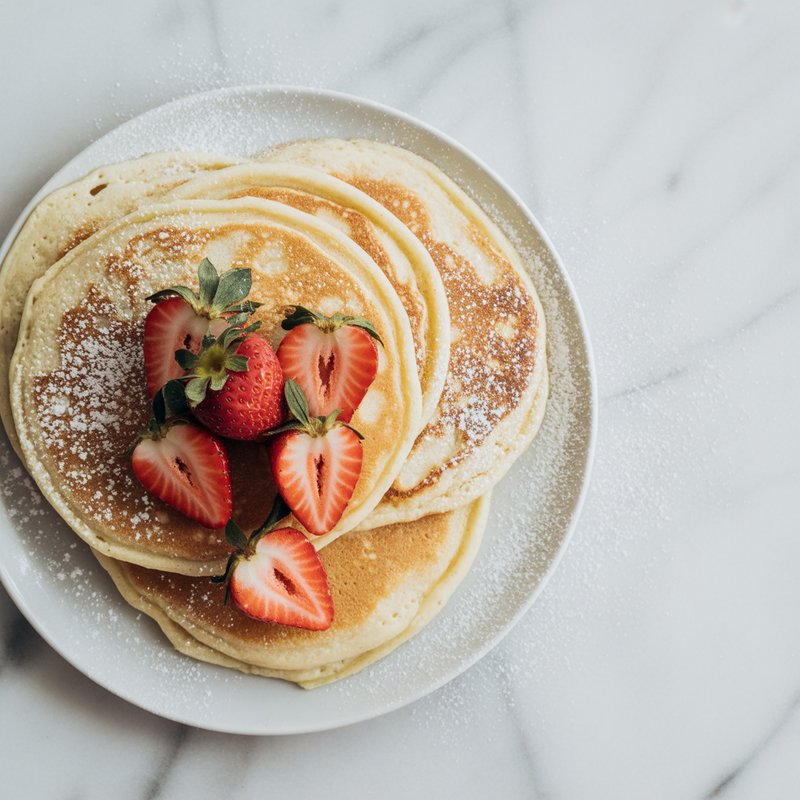
I like a spoonful of Greek yogurt and a handful of berries, or warmed frozen cherries if it’s winter. A smear of almond butter with a pinch of flaky salt is excellent and keeps you full. If you want sweetness, a teaspoon of honey thinned with a squeeze of lemon travels farther https://rentry.co/48rw8ftg than you’d expect and brightens the banana.
A trick for kids or anyone skeptical: quick berry compote in the same pan. After the last pancake, drop in a handful of blueberries with a teaspoon of water. Shake the pan for 30 seconds until they split. Spoon over the stack. It reads decadent, costs you a minute, and there’s no syrup bottle in sight.
A scenario from a real kitchen
I worked with a collegiate rower who needed 30 grams of protein at breakfast, no gluten, and ten minutes door to door. She was also cooking on an ancient electric coil stove in a rental with a convex pan that wobbled if you breathed near it. Her first attempt produced runny, scorched frisbees. The fix was three small changes.
She switched to small-curd cottage cheese and drained it briefly to remove extra whey. She reduced heat to just below medium, and she poured silver-dollar-sized pancakes, four to a batch, using a quarter-cup measure. That gave her control over timing and flip confidence. She added a tablespoon of whey isolate to stabilize moisture. By the third morning, she was plating three fluffy pancakes with a dollop of yogurt and a handful of thawed blueberries, and she was out the door on time. It wasn’t about skill, it was about variables.
Flavor variations that behave well
Banana and cottage cheese are friendly to many flavors, but a few additions help more than others.
Cocoa and espresso: Add a tablespoon of unsweetened cocoa powder and a teaspoon of instant espresso granules to the blender. Cocoa dries batter, so add a tablespoon of milk or water to compensate. These taste like a mocha waffle’s cousin, especially with yogurt and raspberries.
Citrus and poppy: Zest half an orange or a lemon directly into the blender, plus half a teaspoon of poppy seeds. The citrus oils cut through the dairy and make the flavor feel lighter. Poppy seeds introduce tiny pops of texture and keep the pancake from reading purely banana.
Spiced apple: Swap the banana for a half-cup of unsweetened applesauce and add a generous pinch of apple pie spice. Applesauce is thinner than banana, so add a tablespoon of oat flour or finely ground rolled oats. Cook a touch lower and slower; applesauce burns a little faster.
Savory herb: Skip vanilla and cinnamon, add a tablespoon of grated parmesan and a pinch of chopped chives. Top with yogurt, smoked salmon, and a squeeze of lemon. You’ll be surprised at how well this plays as a brunch dish. It’s also a smart move if you’re managing sugar intake.
Chocolate chip but restrained: If you’re cooking for kids, scatter a few mini chocolate chips on each pancake just after pouring. Press them in lightly with a spatula so they don’t smear on the flip. Mini chips distribute sweetness without overpowering.
Keep additions light. You want the batter to stay pourable and cohesive, not turn into a fruitcake.
Troubleshooting, based on what actually goes wrong
Batter runs all over the pan: It’s either too thin or the pan is cold. Thicken with a tablespoon of oats or whey isolate, and make smaller pancakes. Warm the pan longer.
Pancakes scorch before they set: Heat is too high or your pan has hotspots. Lower the heat, give it a minute to cool, and try again. Grease lightly and flip earlier. An old pan with uneven contact may benefit from cooking one pancake at a time in the center.
Rubbery texture: Overblending can do this if you add whey protein. Blend only until smooth, then stop. Also, avoid cooking too low and slow, which dries the proteins before the starch sets.
Eggy flavor: Usually a ripeness problem with the banana. Use a more freckled banana, add a pinch more salt and cinnamon, and a small splash of vanilla. A tablespoon of Greek yogurt in the batter softens the egg perception too.
Sticks to the pan: Nonstick coating may be worn, or you didn’t grease enough. Use a fresh nonstick, add a little more fat, and do a small test pancake to confirm the temperature.
Gummy center: Your pancakes are too large or you flipped prematurely. Make smaller pancakes, ensure the top dulls and bubbles set at the edges before flipping, and consider a brief finish in a 300 degree oven if you insist on thick cakes.
Batch cooking and storage for the week
These reheat better than traditional pancakes because there’s no flour to stale in the same way. If you make a double or triple batch on Sunday, cool them completely on a rack so steam escapes. Stack with parchment pieces between layers and store in an airtight container. In the fridge, they hold well for three days. In the freezer, two to three months is fine.
To reheat, the toaster on low works surprisingly well. Frozen pancakes go straight into the toaster, two cycles on low to medium. The microwave is fine in a pinch, 20 to 30 seconds for two pancakes, but finish in a dry skillet for a minute to restore the exterior. If you’re taking them to the office, wrap in foil and put in a low oven at work if you have one, or accept that microwave plus yogurt is perfectly serviceable.
A meal prep version I use for clients folds berries and chopped nuts in after blending. They hold texture better when reheated and feel less spartan midweek.
Nutrition transparency without the spreadsheet
People ask for exact macros. The honest answer is, it depends on your cottage cheese, eggs, and banana size. If you need precise tracking, plug your specific brands into your nutrition app. For a ballpark per serving, using two large eggs, a half-cup 2 percent cottage cheese, and a medium banana:
- Protein: roughly 25 to 30 grams Carbohydrates: roughly 20 to 25 grams Fat: roughly 8 to 12 grams, depending on dairy fat and cooking fat Calories: roughly 300 to 400
Add whey, nuts, or nut butter and those numbers climb, mostly in protein and fat. Add syrup and they climb in carbs. None of that is moral, it’s just math. Adjust to how you want to feel at 11 a.m.
Make it for a crowd without babysitting the pan
If you’ve got a family to feed, cooking tiny pancakes in batches sounds like a punishment. Two options help.
Option one: a well-seasoned griddle or electric griddle set to 325 to 350 degrees. You can pour six to eight small pancakes at once, flip in sequence, and keep the operation moving. Wipe and regrease lightly between batches.
Option two: sheet pan pancakes. Line a rimmed half-sheet with parchment, lightly grease, pour a double batch of batter, and bake at 400 degrees for around 12 to 15 minutes until set and lightly browned at the edges. The texture is different, more like a clafoutis, but the protein number is the same and the ease is hard to beat. Cut into squares and serve with yogurt and fruit.
If you try the oven route, preheat fully and rotate the pan halfway through if your oven has hot spots. Don’t overbake or you’ll lose tenderness.
Gluten-free and allergy considerations
This recipe is naturally gluten-free as written, assuming your add-ins are clean. If you use oats, choose certified gluten-free if needed. For dairy-free readers, cottage cheese is the backbone, so swapping it isn’t straightforward. A partial workaround is soft tofu, which gives structure, but you’ll lose the dairy tang and some tenderness. If you must avoid dairy entirely, you’re better off with a different high-protein base like blended eggs with pea protein and a little nut butter. It won’t be the same pancake, and that’s okay. Pick the right tool for your constraints.
For nut allergies, avoid almond flour and nut toppings, use oats or whey as your optional stabilizer, and lean on seeds like pumpkin or hemp for crunch if you want it.
A note on kids, texture, and buy-in
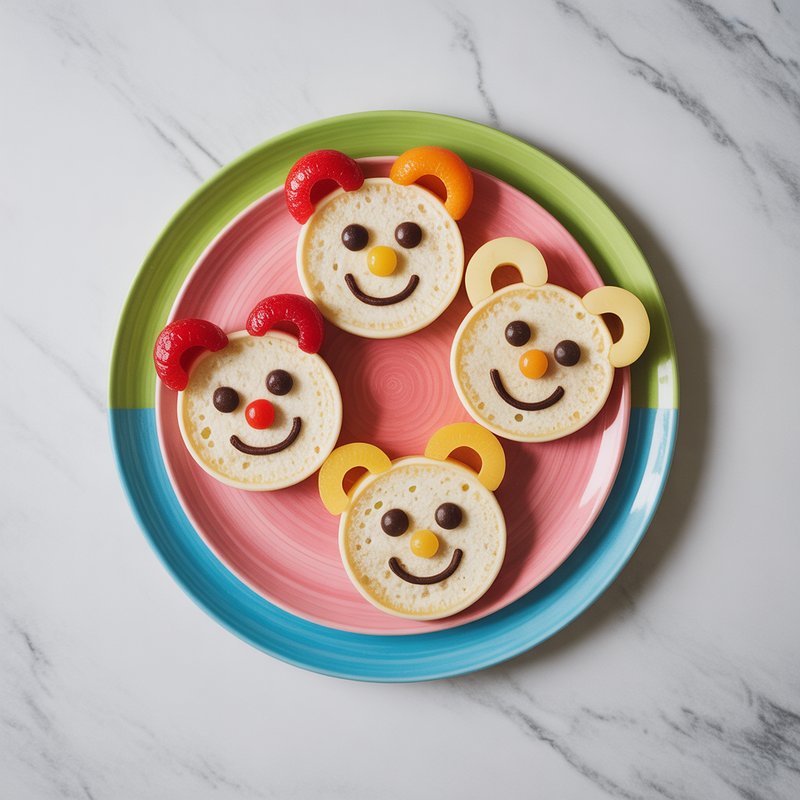
Kids clock texture faster than adults. If you serve them a lacy-edged, floppy pancake, they’ll clock it as “weird.” Make your first batch smaller and slightly thicker by pouring with a measuring cup and using a cooler pan. Keep the edges rounded by not moving the batter after pouring. Add a few mini chocolate chips on top right after pouring and press them in with the spatula. Serve with a side of sliced strawberries. Half the battle is presentation.
I’ve seen picky seven-year-olds inhale these when they look like a “regular pancake.” They won’t care that they just ate cottage cheese. They’ll ask for more chocolate chips. Negotiate.
The quiet advantages you’ll only notice after a few weeks
Beyond the obvious protein win, two subtle benefits show up with regular rotation. First, satiety without heaviness. You don’t get the post-pancake nap because there’s no flour bolus hitting your system. Second, cleanup is minimal. One blender, one pan, one spatula. When mornings are chaotic, low friction habits survive. You’ll stick with it because it’s easy, not because you “should.”
There’s also the cost angle. Eggs and cottage cheese remain competitive even when grocery prices swing. If you compare cost per serving to takeout or even to a bowl of protein cereal with milk and fruit, this often wins by a few dollars. If you’re feeding a team or a hungry household, that matters.
When this recipe isn’t the right choice
If you want diner-style pancakes with a specific fluff that only gluten and chemical leavening can provide, make those. These aren’t a clone. They’re their own thing, closer to a cross between a pancake and a souffle. If you dislike banana, you can swap in applesauce or pumpkin puree, but you’ll need to add a tablespoon of oats or whey and accept a slightly different flavor and texture. If you need to meal prep for five days without freezing, traditional oatmeal bakes may hold better day five than these do in the fridge. Good tools for the right jobs.
A final pass at the basics, so you don’t overthink it
Cook these a few times and your hands will learn the rhythm. Blend eggs, banana, cottage cheese with a pinch of salt. Rest a minute. Medium heat, lightly greased pan. Pour smaller circles. Flip when the shine fades and the edges lift. Top with something that tastes good and supports your goals. Eat while warm.
If it’s your first morning and something goes sideways, remember this: your pan is telling you what to do. Too fast and scorched, lower the heat and shrink the pancake. Too slow and pale, nudge the heat up a hair. Batter too thin, add a tablespoon of oats or whey. Batter too thick, a sip of milk or water. You’re not chasing perfection, you’re building a breakfast that works on a Tuesday.
And when you get that first bite that’s soft, lightly sweet, and surprisingly satisfying, you’ll understand why this recipe sticks. It gives you the pancake moment you want, with the protein your day needs, no flour required.